 How-to
How to Spot Storm Roof Damage From the Ground and Indoors
Last Updated: November 8, 2026
Quick Summary
To spot storm roof damage, look from the ground rather than climbing up. Check for missing, cracked or slipped slates and tiles, gaps in the roofline, and bent or separated gutters, then look for water stains and damp patches indoors. Stay off the roof, since wet slates are slippery and damaged sections can give way without warning.
- Walk around the house and check the roof, gutters and chimney from a pavement or garden.
- Stay off the roof, because wet slates are slippery and damaged sections can give way.
- Look for missing, cracked or slipped slates and tiles, and gaps in the roofline.
- Bent, dented or separated gutters are a sign of wind damage.
- Check ceilings and walls for water stains and damp patches, which can mean water is getting through.
Table of Contents
- Checking Your Roof Safely After a Storm
- Signs of Roof Damage After a Storm to Look For
- Storm Damage Roof Checklist and Next Steps
- Frequently Asked Questions
This is a CJU Roofing Specialists article. For enquiries, visit cjuroofingspecialists.co.uk.
Checking Your Roof Safely After a Storm
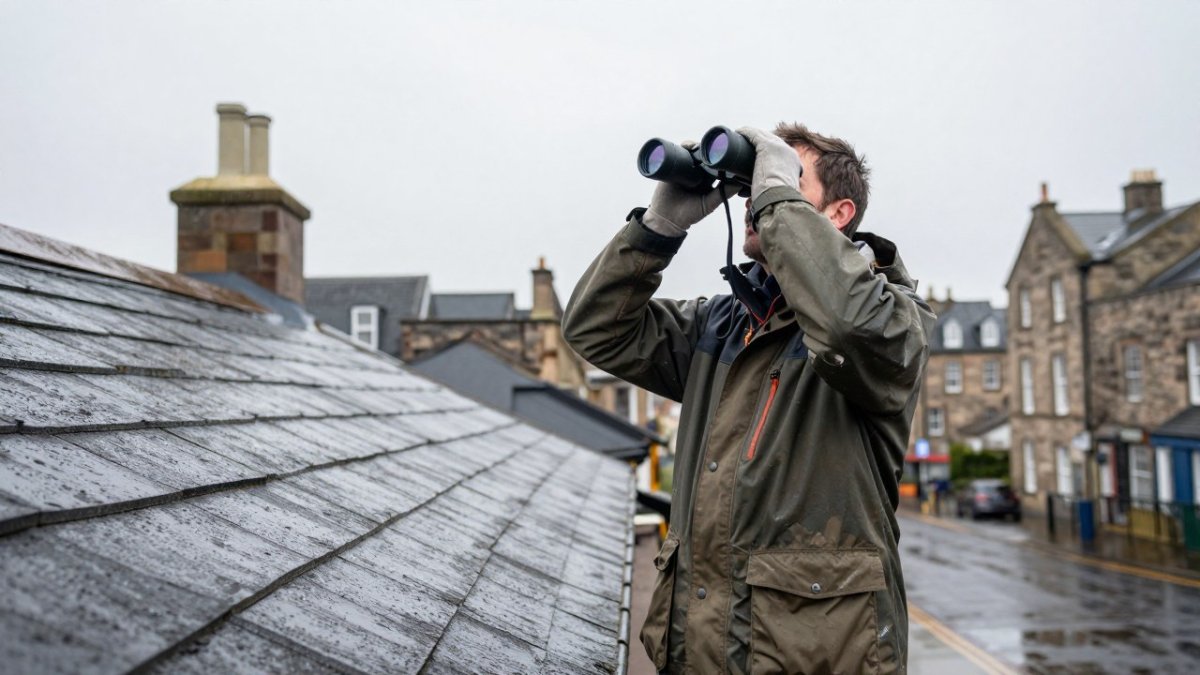
After a storm, spot storm roof damage by looking from the ground, not climbing up. Walk around the house and check the roof, gutters and chimney from a pavement or garden.
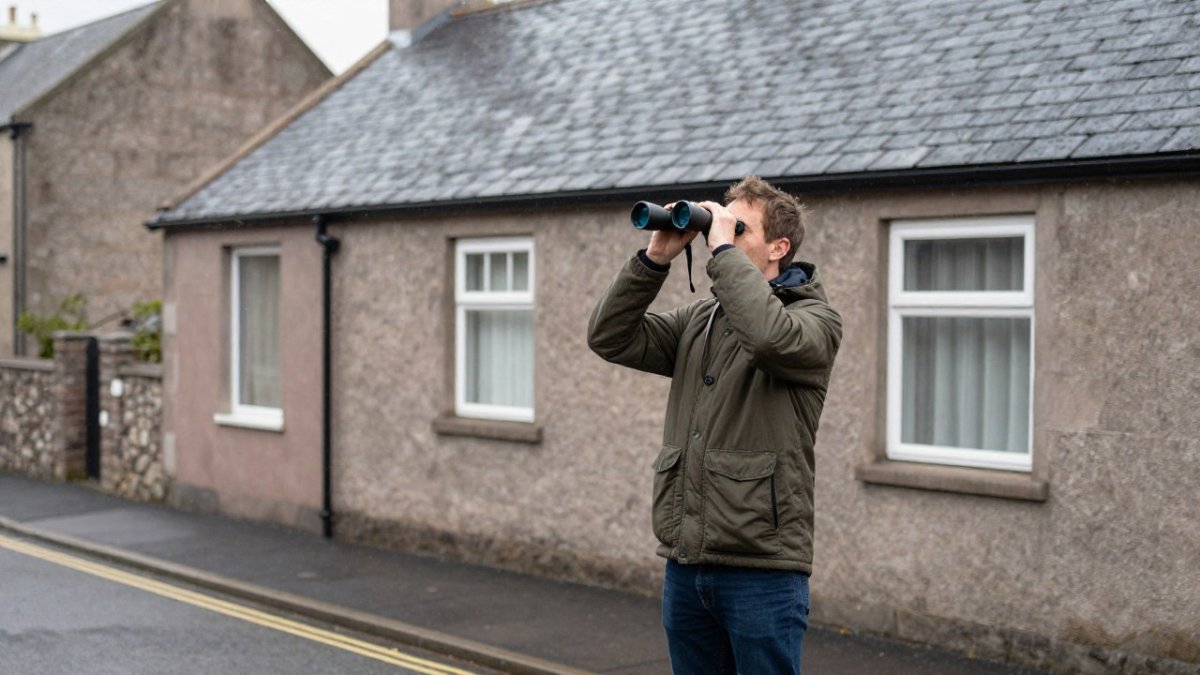
Stay off the roof. Wet slates and tiles are slippery, and damaged sections can give way without warning. If you can see a clear hazard such as a hanging section of roofing, keep people and pets away from the area and call a professional. HSE guidance on working at height
Signs of Roof Damage After a Storm to Look For
Missing, cracked or slipped slates and tiles are signs of storm roof damage. Look for gaps in the roofline, pieces in the garden, or tiles at odd angles. Bent, dented or separated gutters also point to wind damage.
Check indoors too: water stains on ceilings and damp patches can mean water is getting through. Storm Damage or Wear and Tear: How to Tell the Difference separates storm damage from ageing, and How to Spot Signs of Hidden Roof Leaks covers hidden leaks.
The article lists several visible signs of storm damage, both outside and inside the home.
| Where to look | Sign of damage | What it can point to |
|---|---|---|
| Roof surface | Missing, cracked or slipped slates and tiles | Storm roof damage |
| Roofline | Gaps in the roofline | Storm roof damage |
| Ground | Pieces of slates or tiles in the garden | Storm roof damage |
| Ground | Tiles sitting at odd angles | Storm roof damage |
| Gutters | Bent, dented or separated gutters | Wind damage |
| Ceilings | Water stains | Water getting through |
| Ceilings and walls | Damp patches | Water getting through |
Storm Damage Roof Checklist and Next Steps
Work through this checklist after any storm:
- Check the ground for slates, tiles and debris
- Look for gaps, slipped or cracked tiles from the pavement
- Inspect gutters and downspouts for dents or separation
- Look for water stains and damp patches inside
- Photograph everything before cleaning up
If you have found damage, Emergency Roof Repair Edinburgh: What to Do Now explains the safe steps to take straight away. Before contacting your insurer, Roof Insurance Claim Evidence: What to Collect and Why shows which photos, reports and estimates to gather. Unsure how serious it is? Why Should You Get a Professional Roof Inspection? explains why a professional inspection is worth arranging.
Our team at CJU Roofing Specialists can check the damage for you. Request a quote and we will tell you what needs doing.
Frequently Asked Questions
How can I tell if a storm has damaged my roof?
Start from the ground with binoculars. Look for slates or tiles that are missing, slipped, cracked or curled, and for ridge or hip tiles that look displaced. Check gutters for granules, dents or sagging sections, and look for debris caught in drainage paths. Inside, check ceilings and upper walls for new water stains, damp patches or peeling paint. Any of these signs after a storm warrants a professional inspection, even if the roof looks mostly intact from below.
Should I go on the roof to inspect storm damage?
No. Roofs that have been through a storm can be slippery, and damaged slates or tiles can give way underfoot. Inspect from the ground, from a bedroom window or from inside the loft using a torch. If you need a closer look, arrange a professional roof inspection rather than climbing up yourself. Take photographs from safe positions so you have a record for your records or an insurer.
What should I do if my roof is leaking after a storm?
Place buckets or containers under the leak and move valuable items away from the area. Photograph the damage before moving anything. If it is safe to do so, use a torch to find where water is entering, which is often some distance from the ceiling stain. Contact a roofing specialist as soon as possible to arrange a repair, and ask them to provide written findings if you need to make a claim.