 how-to
How to Spot Signs of Hidden Roof Leaks
Last Updated: October 25, 2026
Quick Summary
Hidden roof leaks show warning signs including water stains on ceilings, damp or wet insulation in the loft, musty odours, and swollen or cracked plasterboard. Water often travels along timbers and interior walls before visible staining appears, so early detection is crucial to prevent serious structural damage.
- Water stains on ceilings appear as yellowing patches, dark streaks, or growing rings that indicate moisture travel
- Damp insulation, musty odours, and soft plasterboard are common signs of active hidden roof leaks
- Professional roofers use moisture meters and thermal imaging to locate water entry points homeowners cannot find alone
- Indoor inspection starts in the loft or attic on a dry day, checking for wet patches and tracing stains upward
- Early detection prevents serious structural damage to timber, insulation, and plasterboard, plus mould growth
Table of Contents
- Signs of Hidden Roof Leaks Inside the House
- How to Find a Hidden Roof Leak: A Safe Inspection Checklist
- How Roofers Find Roof Leaks Using Professional Detection
- Frequently Asked Questions
Signs of Hidden Roof Leaks Inside the House
Water stains on your ceiling are the most visible sign of a hidden roof leak: yellowing patches, dark streaks, or rings that grow over time show where moisture has travelled.
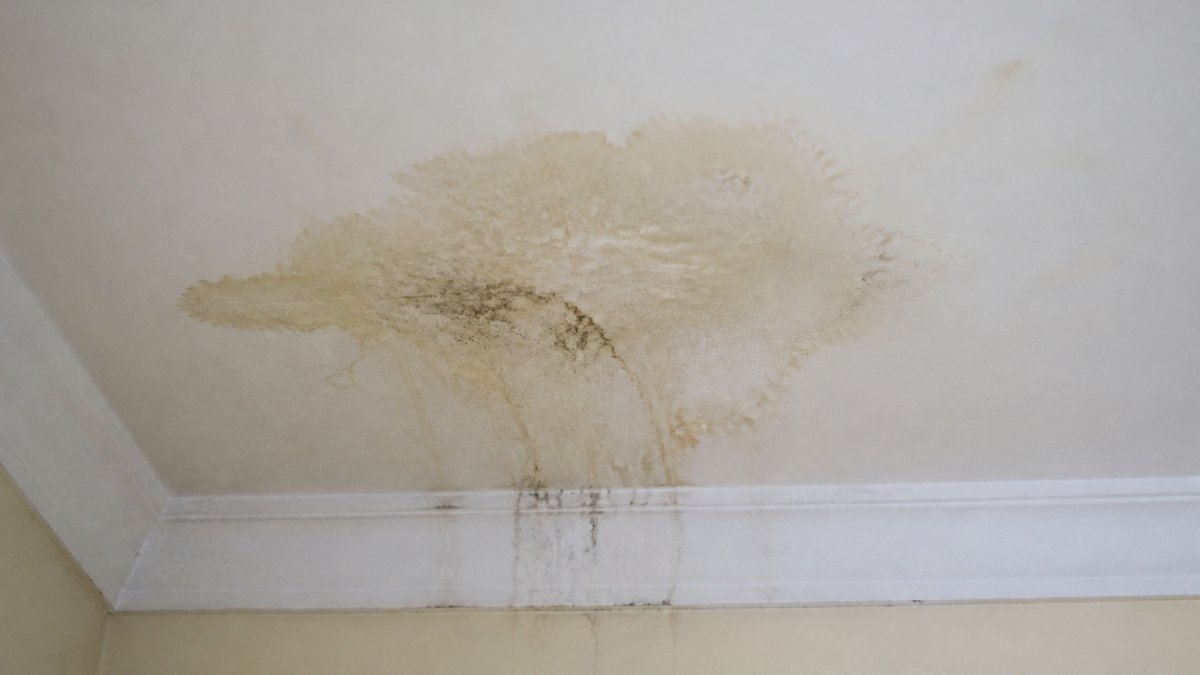
Other warning signals:
- Damp or wet insulation in your loft or attic
- Musty, mouldy odours in upper rooms or storage areas
- Swollen, cracked, or soft plasterboard on walls and ceilings
- Darkened or rotting roof timber visible from the attic
- Peeling paint or wallpaper that bubbles outward
Many homeowners miss early signs because water travels along timbers, down interior walls, or pools in insulation before staining appears, so hidden roof leaks can cause serious damage first.
Watch for these warning signs that indicate a hidden roof leak may be damaging your home.
| Sign | What it indicates |
|---|---|
| Water stains on ceiling | Yellowing patches, dark streaks, or growing rings show moisture travel |
| Damp or wet insulation | Active moisture in loft or attic |
| Musty, mouldy odours | Mould growth in upper rooms or storage areas |
| Swollen, cracked, or soft plasterboard | Water damage to walls and ceilings |
| Darkened or rotting roof timber | Structural damage visible from attic |
| Peeling paint or wallpaper bubbling outward | Moisture pushing through interior finishes |
How to Find a Hidden Roof Leak: A Safe Inspection Checklist
Finding a hidden roof leak starts indoors, then moves to the roof if safe.
Indoor inspection steps:
- Check your loft or attic on a dry day for wet patches, damp insulation, or dark staining on timber.
- Inspect ceiling corners and wall junctions where moisture collects.
- Feel insulation by hand; damp areas indicate active moisture.
- Smell for musty odours, which signal mould growth.
- Trace visible stains upward to the highest point of water entry.
Roof-level checks (if safe and accessible):
Look for missing or cracked tiles, slipped slates, gaps around flashing, or blistering on flat roof membranes. Never climb onto a wet or steep roof.
If your roof is steep, high, or you're uncomfortable at height, stop and contact a professional.
How Roofers Find Roof Leaks Using Professional Detection
Professional roofers use advanced techniques to locate hidden roof leaks homeowners cannot find alone. At CJU Roofing Specialists, we pinpoint water entry points and trace moisture paths.
Roofers inspect roof defects, flashing gaps, and membrane damage, then trace staining patterns and moisture trails indoors, often using moisture meters to detect damp in insulation and timber.
Some use thermal imaging to reveal moisture-caused temperature differences; others run water over suspected areas while monitoring inside to confirm the source.
The key advantage is experience: roofers recognise subtle signs of active water intrusion, not just residual staining, and document findings with photos and reports for insurance claims or storm damage.
Hidden roof leaks cause serious structural damage if left untreated, spreading through timber, insulation, and plasterboard, creating conditions for mould growth. Early detection saves thousands in repair costs.
If you've spotted ceiling stains, damp insulation, or musty odours, professional leak detection is your next step. CJU Roofing Specialists offers advanced leak detection across Edinburgh, the Lothians, and Fife, identifying the exact source of water entry and recommending repairs. Enquire Now for a professional inspection and detailed report.
Frequently Asked Questions
What are the first signs of a hidden roof leak?
Early signs of hidden roof leaks include small water stains on ceilings or walls, a musty odour in the attic, and damp insulation. These often appear before visible pooling or dripping. Check your attic regularly after heavy rain, discoloured patches on timber or yellowing on plasterboard indicate water intrusion. Catching these early prevents costly structural damage.
How do I find a hidden roof leak that is not visible?
Start by inspecting your attic during daylight with a torch. Look for wet patches on insulation, darkened timber, and water trails on roof members. Trace the path of moisture upward toward the roof, water travels along roof timber and may pool before showing symptoms indoors. If you cannot locate the source safely, professional roofers use thermal imaging and moisture meters to pinpoint leaks without guesswork.
Can a roof leak go unnoticed for months?
Yes. Small defects in roof membranes or flashing can allow slow water intrusion that takes weeks or months to show visible signs indoors. During this time, water damage accumulates in insulation, timber, and structural elements. Regular inspections, particularly after storms or seasonal changes, catch hidden leaks before they cause mould, rot, or ceiling collapse. Early detection saves thousands in repair costs.