 how-to
7 Steps to Prevent Roof Water Damage at Home
Last Updated: November 6, 2026
Quick Summary
To prevent roof water damage, inspect your roof and property every spring and autumn, keep gutters clear, and check the loft and ceilings for signs of water entry after rain. Act quickly on any leak, since small problems grow unseen. Never climb onto a roof yourself; leave close checks to a qualified roofer.
- Check the property twice a year, in spring and autumn, before the heaviest rain.
- Clear gutters at least twice a year and after heavy storms.
- Blocked gutters can overflow and soak walls, fascias and brickwork.
- Check the loft and ceilings after rain for damp patches, stains or drips.
- Never climb onto a roof yourself, as falls cause serious injury.
Table of Contents
- Step 1: Carry Out a Roof Inspection Checklist Each Season
- Step 2: Keep Gutters Clear to Prevent Water Damage from Blocked Gutters
- Step 3: Check the Loft and Ceilings for Signs of Water Entry
- Frequently Asked Questions
This is a CJU Roofing Specialists article. For enquiries, visit cjuroofingspecialists.co.uk.
Step 1: Carry Out a Roof Inspection Checklist Each Season
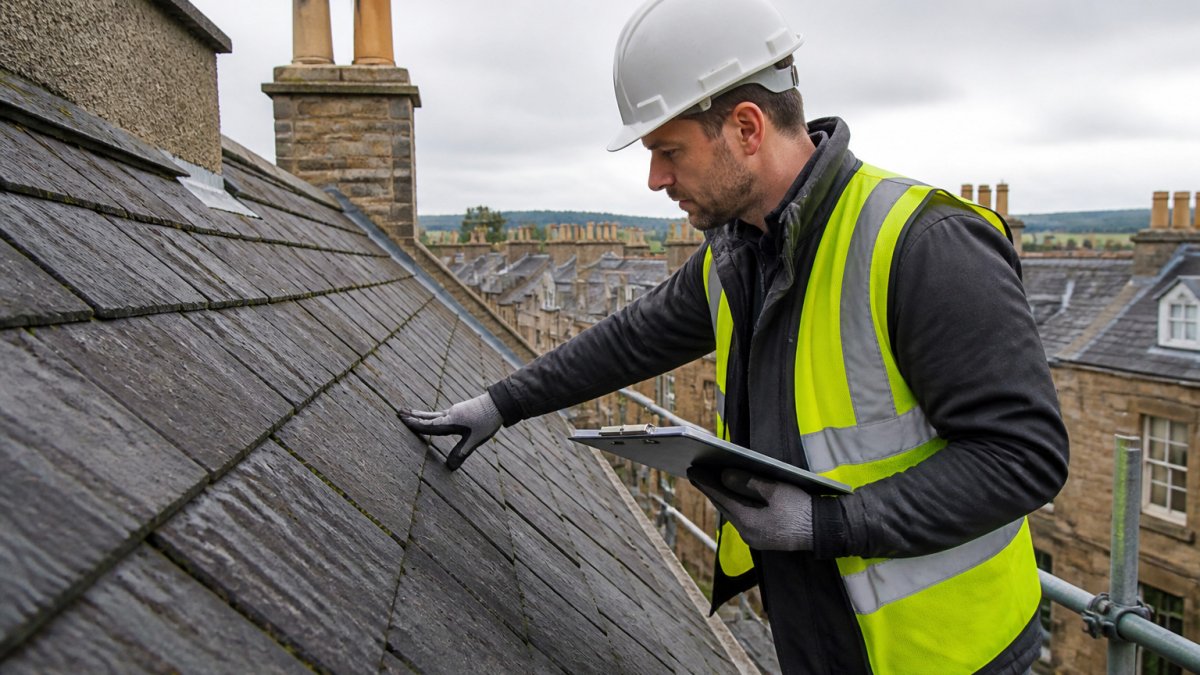
Most roof water damage starts small: a slipped tile or cracked seal lets rain in and the problem grows unseen. A simple seasonal check catches these early, ideally in spring and autumn before the heaviest rain.
Walk around the property from ground level, using binoculars if needed, and look for: what a full roof inspection covers
Note anything unusual and take photos as a record to compare next season.
Watch out: Never climb onto a roof yourself. Falls cause serious injury, so leave close checks to a qualified roofer.
The article recommends checking the property a couple of times a year and where to look. To learn when a professional inspection is worth booking, see why a professional roof inspection matters.
| Check | When | Safety note |
|---|---|---|
| Seasonal roof inspection | Spring and autumn, before the heaviest rain | Never climb onto a roof yourself |
| Inspection from ground level | Seasonal checks | Binoculars can help |
| Photo record | Each inspection | Compare with the next season |
Step 2: Keep Gutters Clear to Prevent Water Damage from Blocked Gutters
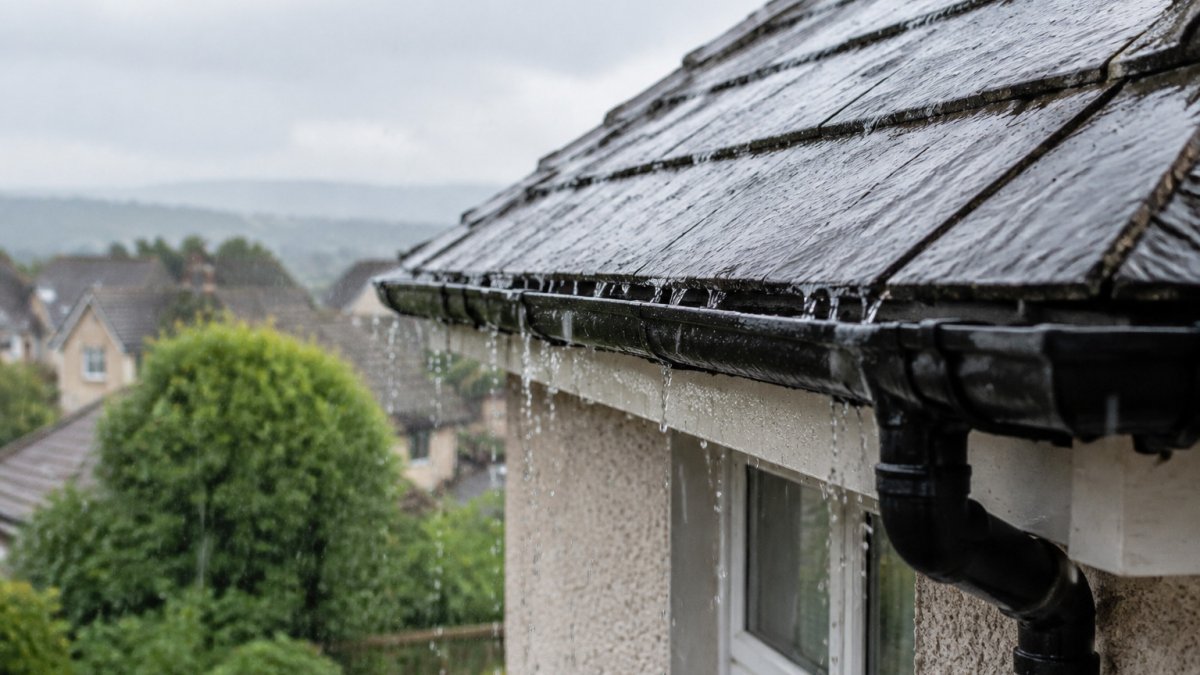
Blocked gutters are one of the most common causes of water damage. When leaves and debris build up, rainwater overflows and runs down walls, soaking into brickwork and fascias and causing rot and damp inside.
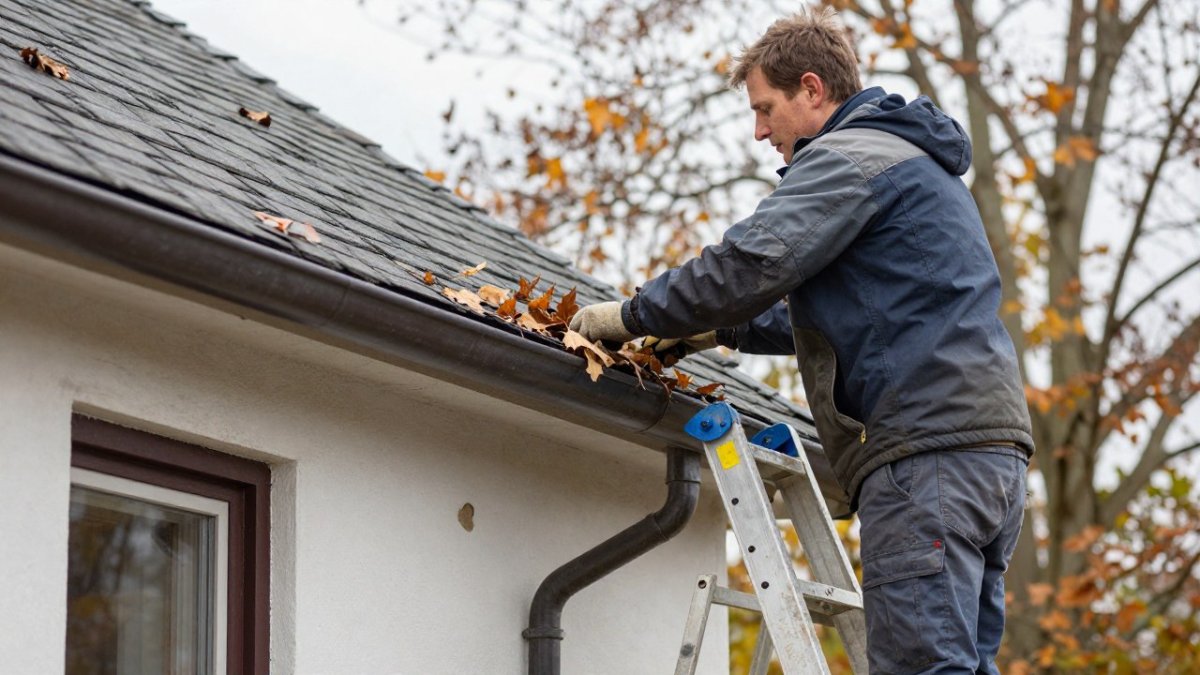
Clear your gutters at least twice a year and after heavy storms, checking that downpipes are clear and water drains away from the foundations. Blocked gutters often cause problems that look like roof leaks, so clearing them is a quick first step.
Step 3: Check the Loft and Ceilings for Signs of Water Entry
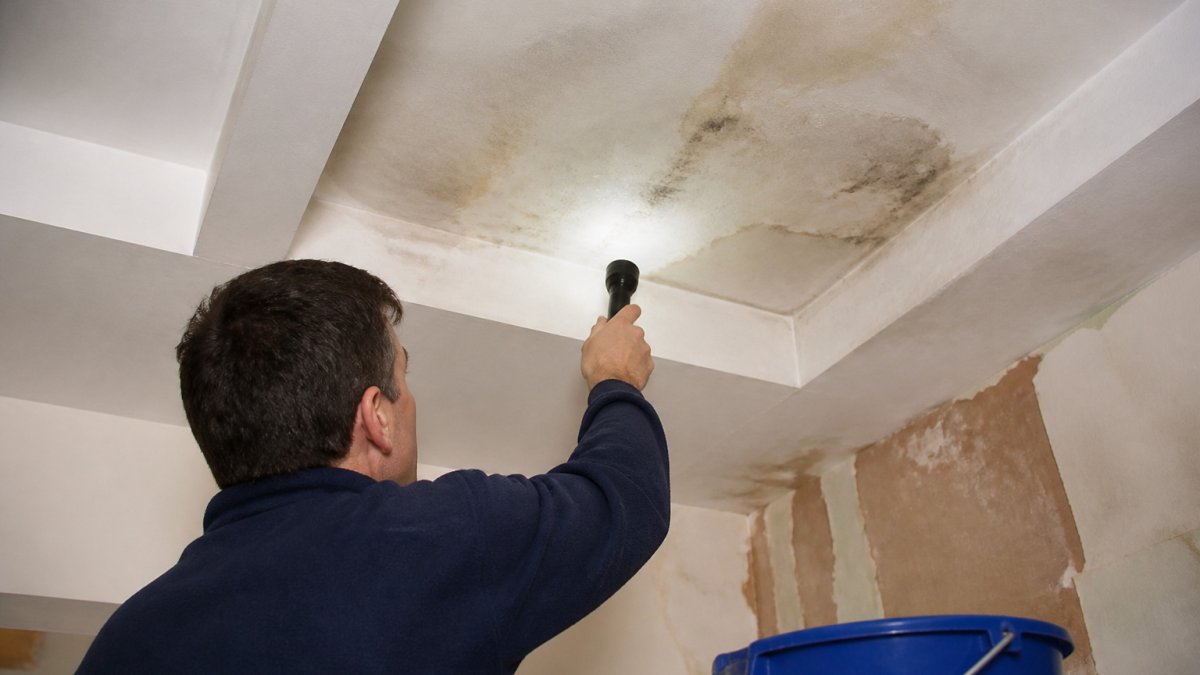
Water often shows its path inside before it appears outside. Check the loft and ceilings regularly, especially after rain, for: warning signs of hidden roof leaks
If you spot any of these, act quickly. Follow how to spot and trace a roof leak before it spreads to find where the water is entering.
Keeping on top of these three steps reduces the chance of costly repairs. If you find damage you cannot resolve safely, you can request a quote from CJU Roofing Specialists. Read what to expect from a residential roof inspection in Edinburgh to see what the visit involves and how to prepare.
Frequently Asked Questions
How can I prevent water damage from my roof?
Start with a visual inspection of the roof covering, looking for slipped, cracked or missing slates and tiles, and check flashing, roof edges and joints for gaps. Clear gutters and downspouts so rainwater flows away from the building, and make sure water drains clear of walls and foundations. Repair small faults promptly, because a minor slipped slate left alone can let water into the structure over a single wet winter. Where you are unsure what you are seeing, arrange a professional inspection with CJU Roofing Specialists, and request a quote for the work needed.
How often should I inspect my roof for leaks?
A practical routine is to look at the roof at least twice a year, typically in spring and autumn, and after any severe storm. Spring checks reveal winter damage, while autumn checks prepare the roof and gutters for heavy rain. Between inspections, watch the ceilings and walls inside the property for new stains or damp patches. Keep a simple record of what you find and when, as this helps you spot changes over time and gives a professional clear information to work from.
What are the early signs of a roof leak?
Early signs include water stains on ceilings or top-floor walls, peeling paint, damp smells in the loft, and drips after rain. Look for daylight showing through the loft boards, mould on the underside of the roof covering, and gutters that overflow during normal rainfall. Any of these signs means water is getting past the outer layer, so it is worth having the roof checked before the damage spreads to insulation, timbers or plasterwork. Contact CJU Roofing Specialists to request a quote for an inspection.