 ultimate-guide
What Affects the Cost of a New Roof in 2026?
Last Updated: November 4, 2026
Quick Summary
The cost of a new roof depends mainly on the roof's size, pitch and complexity, the roofing material chosen, and the access needed for scaffolding. The condition of the structure and underlay beneath the covering also affects the final price. Comparing quotes on like-for-like specifications gives the most reliable picture.
- Roofs with dormers, valleys, hips and chimney stacks cost more than simple roofs of similar area.
- Compare materials by expected service life and maintenance, not just upfront price per square metre.
- Natural slate lasts longest but is heavy, so the roof structure must be able to carry it.
- Scaffolding and access requirements can represent a meaningful share of the total cost.
- A professional inspection reveals hidden problems like failing battens and underlay before you commit.
Table of Contents
- What Drives the Cost of a New Roof
- Roof Size, Pitch and Complexity
- Roofing Materials and Their Lifespan
- How Scaffolding and Access Add to the Bill
- How Long a Roof Replacement Takes and Why It Matters
- Booking a Professional Inspection Before You Commit
- Frequently Asked Questions
This is a CJU Roofing Specialists article. For enquiries, visit cjuroofingspecialists.co.uk.
What Drives the Cost of a New Roof
Replacing a roof is one of the larger jobs most homeowners in Edinburgh, East Lothian and Midlothian will face, and the cost of a new roof varies widely from one house to the next. The final figure rarely comes down to a single factor. It is the combination of size, shape, materials, access and the condition of the structure underneath that moves the price.
Each of these factors is worth understanding before you request a quote, because it helps you judge whether the figures you receive are comparing like with like. If you are weighing up a repair rather than a full replacement, you can compare Edinburgh roof repair costs by repair type before you call anyone. A lower quote is not always the better value if it leaves out work that the roof genuinely needs.
Roof Size, Pitch and Complexity
The area of the roof is the starting point for any estimate, but size alone does not tell the whole story. A simple gable roof with few openings is quicker to cover than a roof broken up by dormers, valleys, hips and chimney stacks, even when the total area is similar.
Pitch matters for the same reason. A steep roof takes more time to work on safely and usually needs more fixing and protection, so it tends to cost more to finish. Complex roofs also produce more waste and more detailed flashing and leadwork, all of which add labour. When you ask for a quote, ask how the surveyor has accounted for these features rather than only the square footage.
Roofing Materials and Their Lifespan
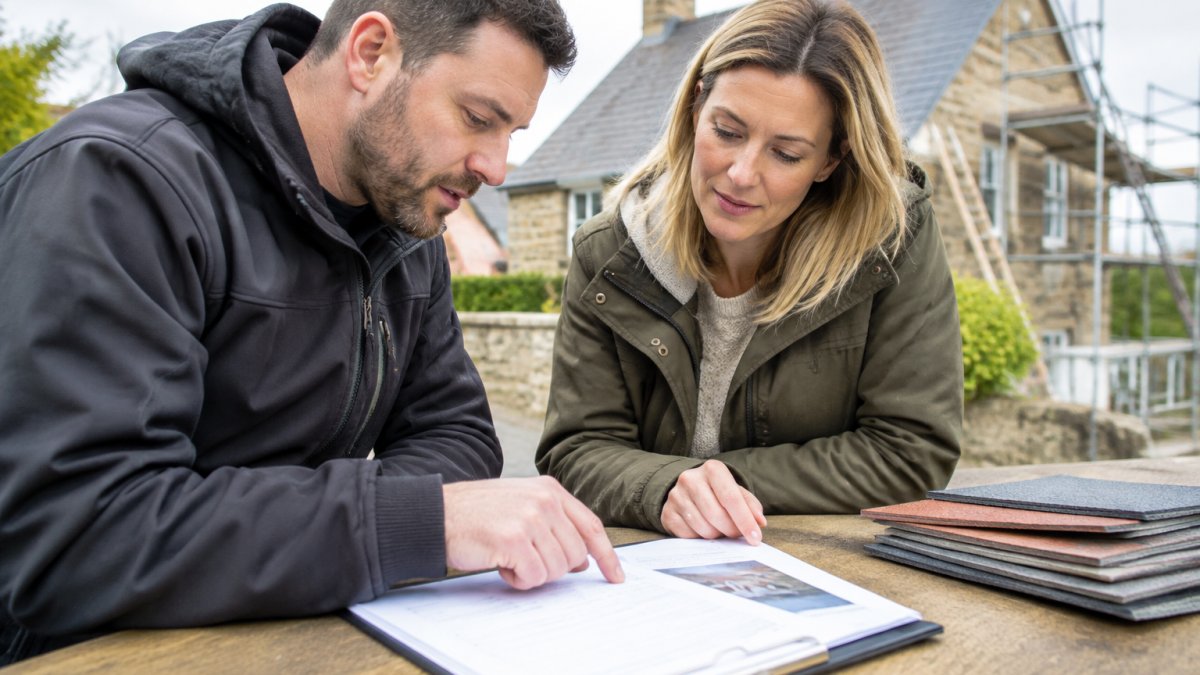
The covering you choose has a direct effect on both the upfront cost and how long the roof will last, and it is the single factor where a cheap quote and a good quote most often diverge. Rather than comparing only the price per square metre, ask your roofer to set out the expected service life of each option and what maintenance it will need along the way. That turns a single figure into a cost-per-year-of-life comparison, which is the fairest way to judge value.
As a general guide to how the main options behave in this climate:
- Natural slate is the benchmark for longevity and appearance, and it is the most expensive covering to buy and fit. It suits traditional and period properties and, when properly laid with the right fixings and ventilation, can outlast most other options. It is heavy, so the roof structure must be able to carry it.
- Concrete and clay tiles sit in the middle of the range. They are widely used, straightforward to source and repair, and offer a long service life, though concrete tends to weather and can lose colour over time. Clay holds its finish better but is more brittle and costs more.
- Synthetic and composite slates mimic natural slate at a lower upfront cost and are lighter, which can reduce structural work. Their lifespan is shorter than natural slate, and quality varies considerably between products, so ask for the manufacturer's stated life and guarantee terms.
- Metal sheeting and standing-seam systems are durable and low-maintenance, and they suit certain property types and outbuildings. They perform differently under thermal movement and need specialist detailing at joints and fixings.
- Flat-roof membranes such as GRP, EPDM and reinforced bitumen are used on extensions, dormers and bay roofs. Lifespans differ widely between systems, and correct installation matters more than the material name on the tin.
Two further points affect the true cost over time. First, the underlay, battens and fixings beneath the covering have their own service life; a premium covering laid over failing underlay is a false economy. Second, ventilation and insulation detailing determine how well the roof performs and how long it lasts, so they belong in the same conversation as the covering itself.
Watch out: a quote that names a material but not the underlay, batten grade, fixing specification and ventilation plan is not comparing like with like, and the cheapest covering can become the most expensive roof if the layers beneath it are not up to the same standard.
If you are unsure whether an existing roof should be repaired or replaced, our guide on when to replace an old roof explains the warning signs and how to weigh the options.
The main roofing options differ in cost, lifespan and upkeep, as the article summarises:
| Material | Best for | Key difference |
|---|---|---|
| Natural slate | Traditional and period properties | Longest-lasting; heavy, so the structure must carry it |
| Concrete and clay tiles | Mainstream homes | Long life and easy to repair; concrete can lose colour, clay is brittle and costs more |
| Synthetic and composite slate | Lighter-weight, lower upfront cost | Shorter life than natural slate; quality varies by product |
| Metal sheeting and standing-seam | Certain property types and outbuildings | Durable and low-maintenance; needs specialist detailing |
| Flat-roof membranes (GRP, EPDM, bitumen) | Extensions, dormers and bay roofs | Lifespans differ widely; correct installation matters most |
How Scaffolding and Access Add to the Bill
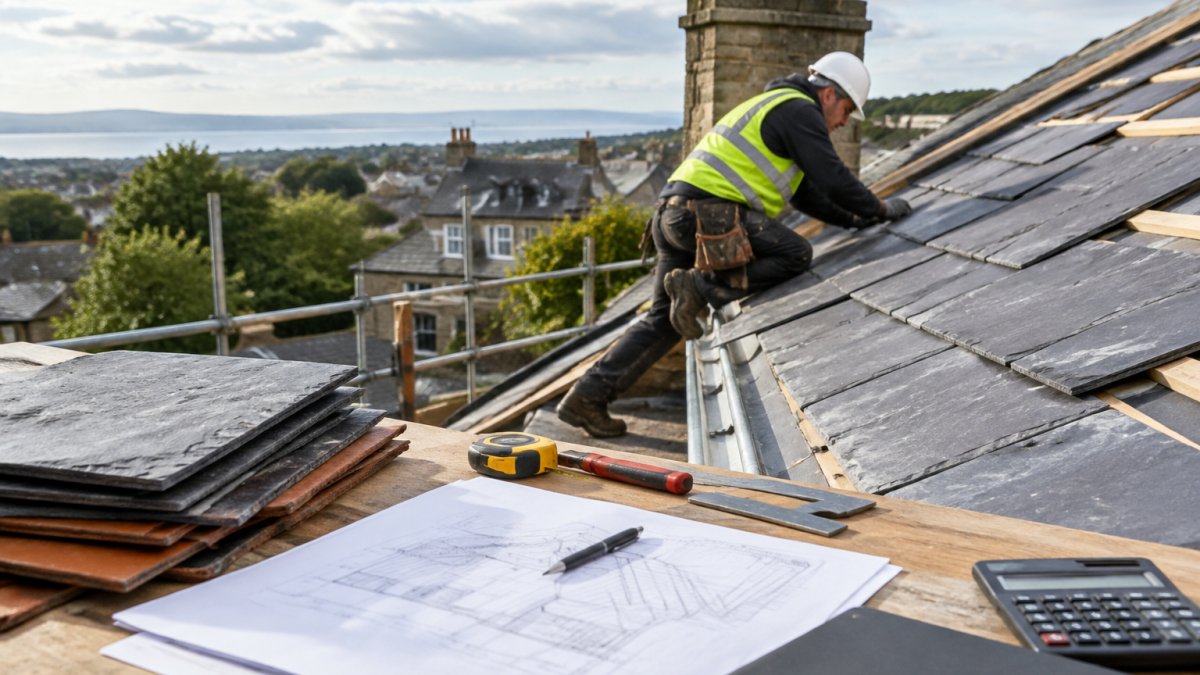
Access is a cost that many homeowners do not expect. Working at height requires scaffolding or other fall-protection equipment, and the amount needed depends on the height of the eaves, the position of the house and how easily equipment can reach the site. Tight plots, narrow access routes and terraced properties can all make the setup more involved.
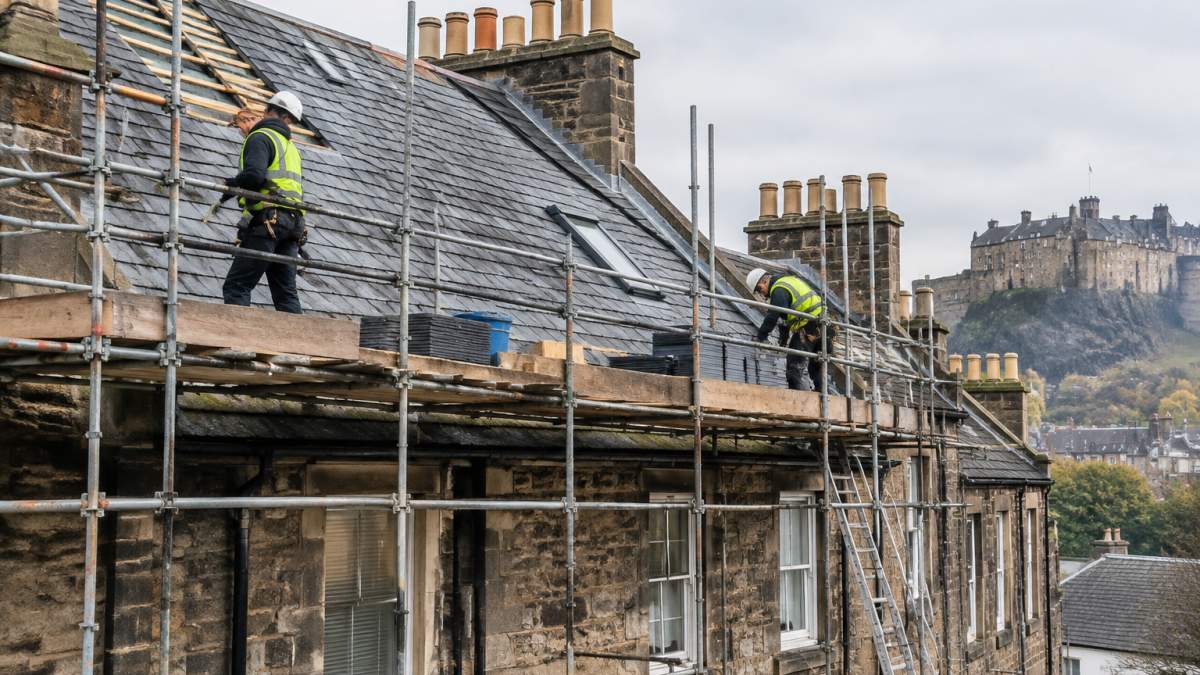
It is worth asking your roofer to show exactly what access has been included in the quote. Where a property is difficult to reach, the access cost can represent a meaningful share of the total.
How Long a Roof Replacement Takes and Why It Matters
The time a replacement takes affects cost in two ways. Labour is charged by the time spent on site, and a longer job keeps scaffolding in place for longer. Weather is the main variable: wet or windy conditions can stop work for days at a time, which extends the schedule and the hire period for access equipment.
A realistic timeline also helps you plan around the disruption, particularly if the property is occupied. Ask for an estimated start date and duration, and confirm how weather delays will be handled before the work begins.
Seasonal timing. Demand for roofing work is not flat across the year. Spring and summer are the busiest periods, when homeowners tend to book ahead and contractors' diaries fill up, while late autumn and winter can be quieter.
Budgeting and payment. A new roof is a large, lumpy expense, and few homeowners have the full amount sitting idle. It helps to plan the cash flow before work starts. Ask how the contractor expects to be paid: many work to a deposit followed by staged payments as the job progresses, with a final balance on completion.
If you need to spread the cost, ask the contractor directly about payment plans, and compare any finance option on its total cost rather than the monthly figure alone. Our overview of roof replacement services in the Lothians covers what to check, including guarantees and insurance.
Watch out: paying a large sum upfront before any work has been done leaves you exposed if the contractor does not return, so keep early payments modest and tie the rest to completed stages.
Booking a Professional Inspection Before You Commit
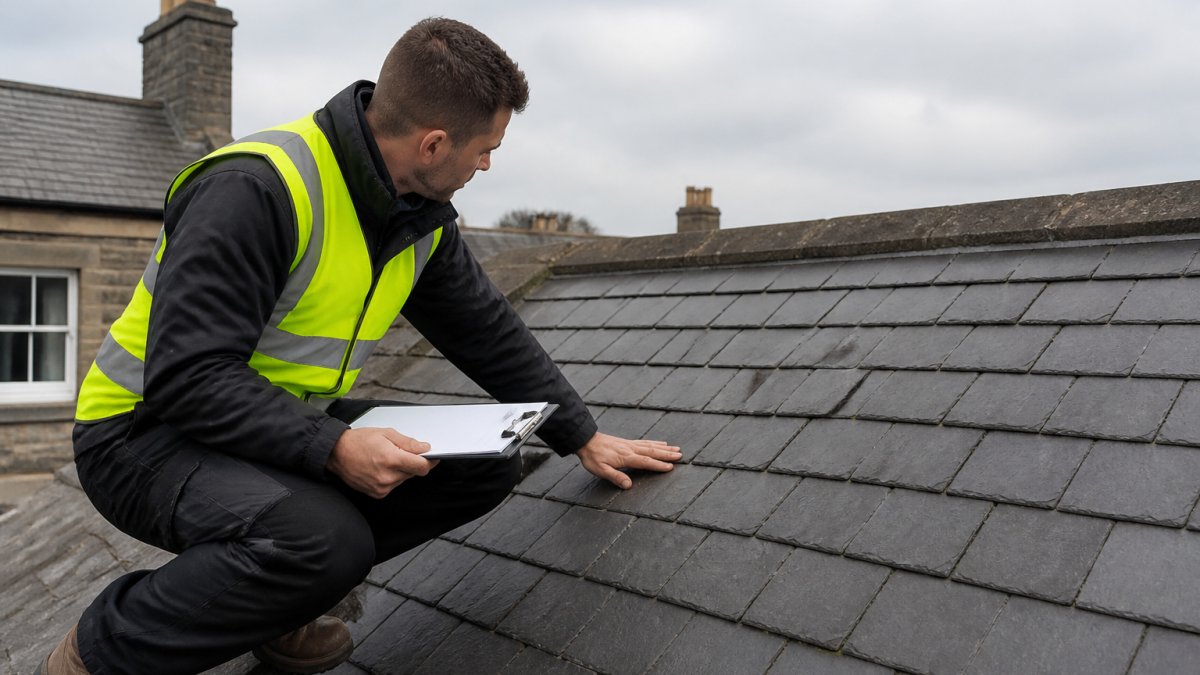
Before you commit to a full replacement, a professional inspection will show what the roof actually needs. Many problems, including damaged battens, failing underlay and deteriorating flashings, are not visible from the ground. Finding them early can prevent a repair from turning into a larger and more expensive job.
A good inspection covers the condition of the covering, the structure beneath, the guttering and the areas where the roof meets walls and chimneys. Ask for a written report, which you can use to compare quotes on an equal footing. You can find out more about what to expect in our guide to residential roof inspection services in Edinburgh.
If your roof needs more than a standard replacement, it helps to compare providers carefully. Our overview of roof replacement services in the Lothians covers what to check, including guarantees and insurance. To discuss your roof or request a quote, contact CJU Roofing Specialists and we will arrange a visit.
Frequently Asked Questions
Does the size of my roof significantly change the replacement cost?
Yes. Roof area is one of the largest drivers of the final figure because materials, labour and waste disposal all scale with the number of square metres to be covered. A larger roof also takes longer to strip and relay, which adds to labour time. Ask for a roof survey that measures the area accurately, so your quote is based on real dimensions rather than estimates. Pricing varies, so request a quote from CJU Roofing Specialists for a figure based on your property.
Why is scaffolding required for a roof replacement?
Scaffolding gives workers safe, stable access to the whole roof and helps protect them from falls. Check that scaffolding is clearly itemised in any quote you receive.
Do chimney repairs add much to the cost of a new roof?
Chimney work can add to the total because stacks often need lead flashing, pointing or rebuilding during a re-roof. Ask for chimney, leadwork and flashing to be itemised separately on your quote so you can see exactly what is included and make an informed decision.
How do I plan for hidden costs when replacing a roof?
Hidden costs most often come from the condition of the roof deck, such as rotten timber, or from damaged battens and underlay found once the old covering is removed. Setting aside a contingency fund helps you handle these surprises without delaying the project. A thorough professional inspection before work starts reduces the chance of unexpected repairs. Discuss what is covered by the quote and what would be charged as extra.